


Artisan Clothing Costs More? Not Always.... Unique Product, Slow Fashion Equals More Value!
Table of Contents
- Why Artisan Clothing Costs More: Breaking Down the Price
- Artisan vs Factory Made Clothing: Where the Price Difference Comes From
- How to Wash Hand Block Printed Cotton and Protect Your Investment
- The Benefits of Slow Fashion and Cost-Per-Wear Value
Last Updated: August 20, 2026
Why Artisan Clothing Costs More: Breaking Down the Price
A hand block-printed tunic might cost three times what a factory-made dress does. That gap exists for concrete reasons rooted in how artisan pieces are made, not marketing or brand markup.

Skilled labor, raw material quality, small-batch economics, and supply chain transparency all factor into the final price. At Lotus Temple Collection, we've built our business around these principles because they directly affect the quality and longevity of what you wear. Once you understand what goes into each piece, the pricing becomes logical rather than arbitrary.
Artisan vs Factory Made Clothing: Where the Price Difference Comes From
The fundamental difference between artisan and mass-produced clothing comes down to labor intensity and material sourcing. A factory worker operating an automated printing machine completes 500 pieces per day. A hand block printer completes 20 to 30 pieces daily. That difference directly translates to labor cost per garment.
Raw material selection adds another layer. Mass producers source synthetic blends and lower-grade cotton because they cost less. Artisan producers source organic cotton, natural dyes, and heritage textiles that cost more upfront but hold their color, shape, and softness through dozens of washes. Material sourcing alone can account for 30 to 50 percent of production cost difference.
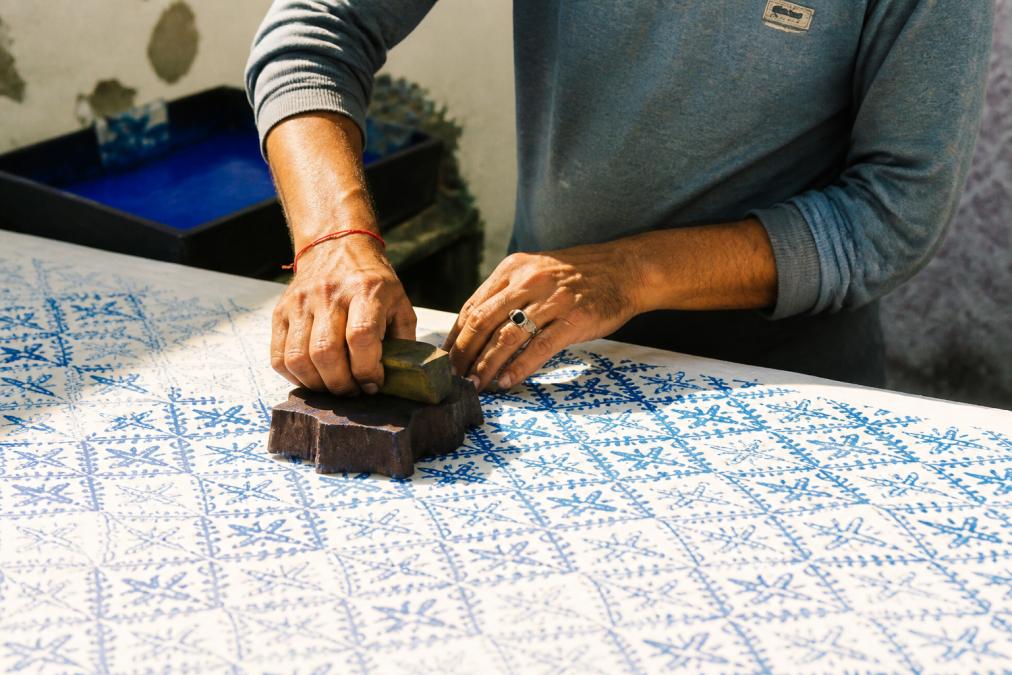
Small-batch production creates overhead challenges that factories don't face. A factory running 10,000 identical pieces spreads fixed costs across massive volume. An artisan workshop producing 200 unique pieces spreads those same costs across far fewer units. Each piece carries more of the operational burden.
Supply chain transparency also costs money. Artisan producers who verify fair wages, safe conditions, and ethical sourcing face higher labor costs. That transparency has real value to conscious consumers, but it shows up in the price tag.
The economics are straightforward: fewer pieces produced, higher-quality materials, skilled labor compensated fairly, and transparent supply chains all push the cost per garment higher.
How to Wash Hand Block Printed Cotton and Protect Your Investment
Hand block-printed cotton requires different care than factory-printed garments. Natural dyes sit on the fabric surface rather than bonding chemically like industrial inks. Proper washing protects both the print clarity and garment structure, extending the life of your piece significantly.
Hand block-printed pieces should be washed separately in cool water with gentle detergent. Hot water fades natural dyes faster. Hand washing takes 10 to 15 minutes but preserves the garment far more effectively than machine washing.
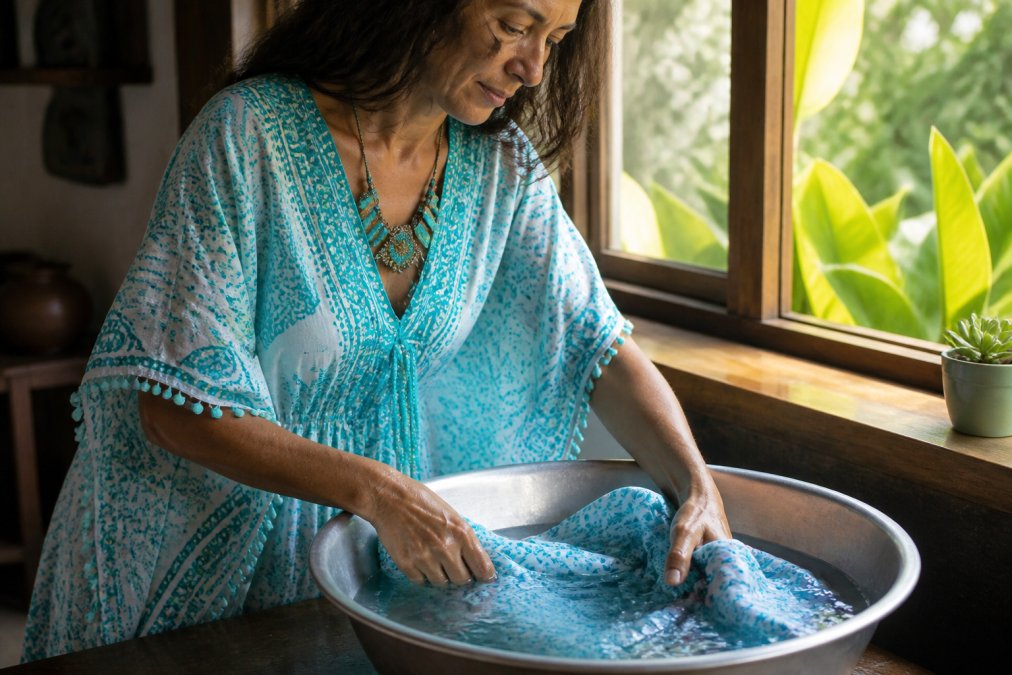
Air drying flat or on a line preserves fabric integrity and ensures even color retention. Tumble dryers create heat and mechanical stress that weakens cotton fibers and causes uneven fading. Storage in a cool, dark closet slows natural fading from light exposure.
The care investment pays off through cost-per-wear calculations. A hand block-printed tunic that costs more upfront but lasts five years of regular wear becomes economical compared to a cheaper piece worn out after one season.
The Benefits of Slow Fashion and Cost-Per-Wear Value
Slow fashion means buying fewer quality pieces worn repeatedly instead of many cheap pieces worn a few times. A factory-made dress costing $40 worn five times costs $8 per wear. A hand block-printed tunic costing $158 worn 200 times over five years costs less than $1 per wear.
Durability compounds this advantage. Artisan clothing made with quality materials and skilled construction resists pilling, maintains shape, and preserves color through extended use. Factory clothing degrades visibly after a season or two.
Slow fashion also delivers intangible value. Wearing something you genuinely love, that fits your body well, that reflects your values, these matter beyond pure economics. Supporting artisan production preserves heritage craftsmanship and supports fair wages for skilled workers.

Hand block printing techniques developed over centuries in specific regions risk disappearing when demand shifts entirely to factory production. Supporting artisan clothing sustains these traditions and the communities built around them. When you purchase from Lotus Temple Collection, you're supporting artisans whose work preserves cultural heritage while creating pieces designed for real wear.
Quality materials age beautifully. Skilled construction lasts. Fair wages and transparent supply chains create clothing that feels good to wear and good to own. That's why artisan clothing costs more, and why the investment delivers returns measured in durability, satisfaction, and values alignment.
When you understand the real costs embedded in artisan clothing, the price becomes transparent rather than surprising. Skilled labor, quality materials, small-batch economics, and ethical production all have genuine expenses. Lotus Temple Collection's hand block-printed kaftans and embroidered tunics reflect these realities. Each piece carries the investment of artisans who created it with care. Explore our collection of organic cotton tunics and hand block-printed designs, pieces built to last, worn repeatedly, and valued for years. Start with our Tunic Top Hand Embroidered and discover clothing that rewards the investment.
Frequently Asked Questions
What does 'artisan' mean in the context of clothing?
Artisan clothing refers to garments made by skilled craftspeople using traditional techniques, often in small batches. Unlike mass production, artisan pieces emphasize handcrafted details like hand block printing, embroidery, and custom construction. Each piece reflects the maker's expertise and cultural heritage, making it unique and labor-intensive to produce.
How does the labor cost of handmade clothing compare to mass-produced items?
Handmade artisan clothing requires significantly more labor hours than factory production. A single hand block-printed kaftan may take 8-12 hours of skilled work, while mass-produced equivalents are made in minutes on machines. Artisans earn fair wages for this skilled labor, whereas factory workers in fast fashion often work for minimal pay. This labor investment directly increases the cost but ensures ethical production.
Why is organic and sustainably sourced fabric more expensive?
Organic cotton and sustainable materials cost more because they're grown without synthetic pesticides, require careful sourcing, and involve third-party certification. Supply chain transparency adds costs—tracking materials from farm to finished garment ensures no harmful chemicals or exploitative labor practices are involved. These practices protect both the environment and the people who handle the materials throughout production.
Will hand block-printed designs hold up after washing?
Hand block-printed cotton is durable when cared for properly. The natural dyes used in artisan printing bond deeply with high-quality organic cotton fibers. To protect your investment, wash in cool water, use gentle detergent, and avoid bleach. Proper care preserves the vibrant colors and intricate designs for years. Many customers report their Lotus Temple Collection pieces look beautiful even after dozens of washes.