


Is Ethical Fashion Worth the Investment
Table of Contents
- The True Cost of Ethical Fashion vs. Fast Fashion
- Cost-Per-Wear Formula: Why Ethical Pieces Pay for Themselves
- How to Build a Capsule Wardrobe That Justifies the Investment
- Frequently Asked Questions
Last Updated: September 21, 2026
The True Cost of Ethical Fashion vs. Fast Fashion
Is ethical fashion worth the investment? The answer depends on how you measure value. When you buy a hand block-printed organic cotton kaftan from Lotus Temple Collection for $185, you're not just purchasing a garment, you're investing in durability, ethical labor practices, and environmental responsibility that fast fashion simply cannot match.

Fast fashion prioritizes speed over durability and worker welfare, with garments designed to last one or two seasons. Ethical fashion emphasizes sustainable manufacturing, fair trade practices, and living wages, the higher upfront cost reflects genuine longevity and social impact.
Organic materials require significantly less water and eliminate harmful pesticides, while ethically sourced clothing reduces textile waste and supports supply chain transparency.
Cost-Per-Wear Formula: Why Ethical Pieces Pay for Themselves
Cost-per-wear reveals true value: a $185 kaftan worn 100 times costs $1.85 per wear, while a $40 fast fashion dress worn 5 times costs $8 per wear.
Ethical pieces justify their price through durability and versatility; the Stretch Pant Cropped Bootcut Legging ($79.98) features 90% organic cotton and Fair Trade Certified production, making cost-per-wear negligible over two years of regular wear.

Ethical brands prioritize timeless investment pieces over trends, so a hand block-printed kaftan never goes out of style and builds a cohesive collection that reduces impulse buying.
How to Build a Capsule Wardrobe That Justifies the Investment
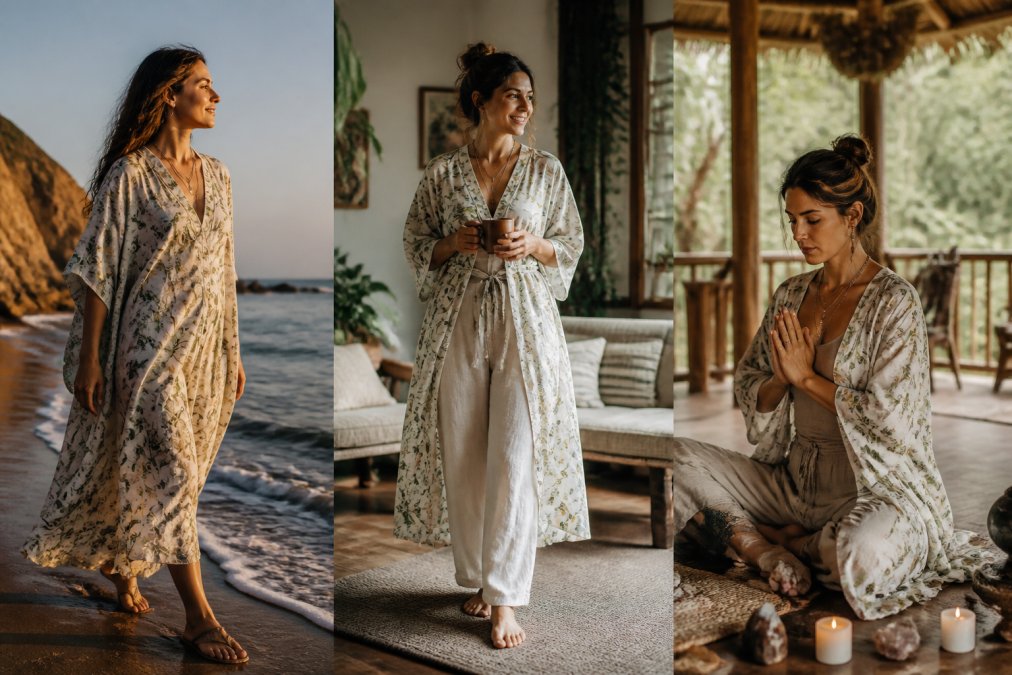
A capsule wardrobe built with ethical pieces eliminates decision fatigue; start with neutral, high-quality basics like organic cotton tunics and versatile kaftans that work across climates.
Stretch Pant Cropped Bootcut →
The Organic 100% Cotton Indigo Lotus Flower Anokhi Hand Block Print Kaftan ($185) serves as an anchor piece, layer it, wear it alone, or use as a cover-up. Add the 100% Organic Cotton Handloom Shawl ($148) for seasonal versatility.
Build around quality over quantity, timeless over trendy, and versatility over single-use pieces, each garment should work with at least five other items, extending longevity and reducing waste, the core argument for ethical fashion worth the investment.
Ethical fashion requires a mindset shift from consumption to curation. At Lotus Temple Collection, we believe the investment pays dividends through durability, conscious production, and pieces that actually last. Our hand block-printed kaftans and organic cotton tunics are designed to become wardrobe staples, not seasonal purchases. Start your ethical wardrobe journey with quality investment pieces that prioritize fair trade and sustainable materials and experience how intentional fashion reduces both waste and decision-making burden.
Frequently Asked Questions
How does the cost-per-wear metric change the value of ethical clothing?
Cost-per-wear divides the garment's price by how many times you'll wear it. A $185 organic cotton kaftan worn 100 times costs $1.85 per wear, while a $30 fast fashion piece worn five times costs $6 per wear. Ethical pieces made with durable organic materials and timeless design typically deliver lower cost-per-wear over their lifetime, making the initial investment worthwhile.
Why is ethical fashion more expensive than fast fashion?
Ethical fashion costs more because it prioritizes fair trade wages, sustainable manufacturing practices, and quality materials. Organic cotton consumes less water than conventional cotton and avoids harmful pesticides. Hand block-printed and hand-embroidered pieces require skilled artisans. These practices support garment longevity and environmental responsibility, whereas fast fashion relies on low wages and cheap materials designed to wear out quickly.
How can you identify truly ethical fashion brands and avoid greenwashing?
Look for third-party certifications like Fair Trade Certified or specific supply chain transparency details. Brands should disclose where items are made, what materials are used, and labor practices. Avoid vague claims like 'eco-friendly' without proof. Ask for documentation of organic certification or sustainable sourcing. Real ethical brands provide detailed product information, traceability, and customer testimonials about durability, not just marketing language.