


Benefits of Supporting Small Artisan Businesses
Table of Contents
- The Artisan Distinction: More Than Just Small Business
- The Importance of Ethical Fashion and Why Choose Organic Cotton Clothing
- The Benefits of Slow Fashion for Communities and the Planet
- Frequently Asked Questions
Last Updated: September 16, 2026
The Artisan Distinction: More Than Just Small Business
The benefits of supporting small artisan businesses begin with a distinction most shoppers never make. An artisan business is a small enterprise where the maker controls the craft, the materials, and the design, not a small company reselling mass-produced goods. At Lotus Temple Collection, hand block-printed kaftans and hand-embroidered shirts carry the mark of the person who made them.
That difference shows up in your hands: a hand block-printed cotton piece varies slightly because a human pressed each block, while mass-produced fabric repeats identically.
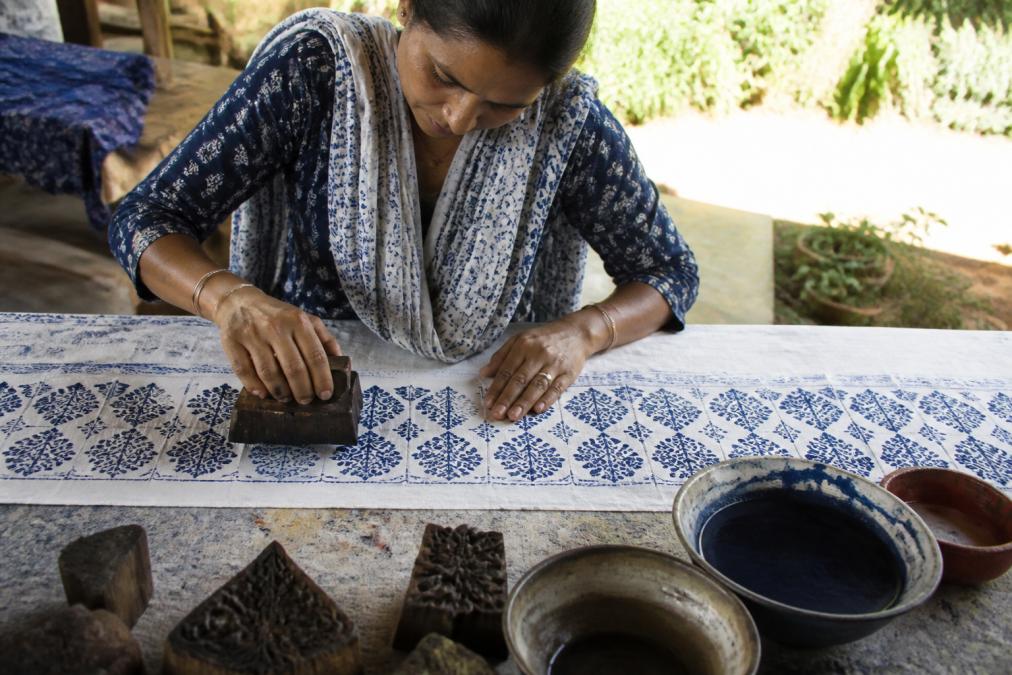
The distinction also changes where your money goes. Buying from a maker keeps a larger share of the price with the person who did the work, and that spending recirculates through the local economy, the economic multiplier effect, and one of the clearest arguments for buying artisan rather than mass-market.
The Importance of Ethical Fashion and Why Choose Organic Cotton Clothing
Ethical fashion means making and selling clothing with fair labor, safe working conditions, and honest materials as the baseline, not the upsell. Its importance comes down to accountability: you know who made your clothes and under what conditions.
Choosing organic cotton clothing adds a second layer: it is grown without harmful synthetic pesticides and fertilizers, supporting cleaner water and healthier soil. Lotus Temple Collection's handloom shawls are 100% organic cotton, handwoven on traditional looms, and the stretch pant is 90% organic cotton in a Fair Trade Certified factory.

Craftsmanship is the part fast fashion cannot copy. A handwoven shawl takes shape thread by thread at the loom, and the weaver's skill is visible in the finished cloth.
The Benefits of Slow Fashion for Communities and the Planet
Slow fashion is the deliberate opposite of fast fashion: fewer pieces, better materials, and production that respects maker and wearer. Its benefits reach further than your closet.
For communities, handloom and hand-embroidery work provides vital income for weavers and artisans working from home, with women's empowerment at the center. For the planet, small-scale production and organic farming reduce the water pollution and soil damage tied to conventional cotton. For you, a well-made piece lasts longer: a generously sized organic cotton shawl serves as a scarf, a wrap, and a beach sarong, meaning fewer purchases over time.
That is the case for buying less and choosing better, and why artisan apparel holds its value in ways disposable fashion never does.
Frequently Asked Questions
What are the benefits of supporting small artisan businesses?
Supporting small artisan businesses keeps money circulating locally, creates jobs, and preserves traditional craftsmanship. These businesses often source materials locally, reducing carbon footprints and strengthening community identity. They also offer personalized service and unique products you won't find in mass-produced goods. When you buy from artisans, you invest in ethical fashion and help sustain cultural heritage for future generations.
How does buying artisan-made clothing impact local communities?
Buying artisan-made clothing supports local economies through job creation and tax revenue that funds public services. Artisans often source materials locally, keeping supply chains short and reducing environmental impact. This spending circulates within the community, supporting other small businesses and fostering economic stability. Additionally, artisan businesses often empower women and preserve traditional skills, creating social capital and civic pride.
What is the difference between mass-produced and artisan-crafted apparel?
Mass-produced apparel is made in large factories with standardized designs, often prioritizing speed and low cost over quality and sustainability. Artisan-crafted apparel is made in small batches by skilled makers, using techniques like hand block printing and embroidery. This results in unique, durable pieces with character. Artisan production also supports ethical fashion by ensuring fair wages and safe working conditions, while mass production can contribute to environmental harm and labor exploitation.
Why is sustainability a key benefit of supporting small artisan brands?
Small artisan brands often use organic and sustainably sourced materials, such as organic cotton, which requires less water and no harmful pesticides. Their small-scale production reduces waste and carbon emissions compared to mass manufacturing. By choosing slow fashion, you support practices that protect the environment and promote ethical consumption. Many artisans also use natural dyes and traditional methods that have a lower ecological footprint.
Fast fashion makes it easy to buy a lot and keep very little. Choosing artisan-made, organic cotton pieces instead means your wardrobe supports real makers and holds up season after season. Lotus Temple Collection offers hand block-printed kaftans, 100% organic cotton handloom shawls, and Fair Trade Certified yoga pants, each made with respect for the people who craft them and the people who wear them. Get started with Lotus Temple Collection and build a wardrobe you will actually keep.