


7 Best Sustainable Fashion Brands for Summer 2026
Table of Contents
- Quick Comparison: 7 Best Sustainable Fashion Brands for Summer 2026
- 1. Lotus Temple Collection, Best Overall for Summer 2026
- 2. Everlane, Best for Everyday Basics
- 3. Pact, Best Budget-Friendly Option
- 4. Reformation, Best for Dressy Occasions
- 5. Patagonia, Best for Outdoor and Travel
- 6. Eileen Fisher, Best for Minimalist Wardrobes
- 7. Kotn, Best for Capsule Wardrobes
- How to Build a Sustainable Summer Capsule Wardrobe
- Benefits of Organic Cotton Clothing for Hot Weather
- Ethical Fashion Certifications to Look For
- End-of-Life Garment Management
- Size Inclusivity in Sustainable Fashion
- Frequently Asked Questions
Last Updated: September 14, 2026
Quick Comparison: 7 Best Sustainable Fashion Brands for Summer 2026
The 7 best sustainable fashion brands for summer 2026 combine breathable natural fabrics, verified ethical manufacturing, and transparent supply chains.
| Brand / Collection | Price Range | Signature Summer Piece | Best For |
|---|---|---|---|
| Lotus Temple Collection | $49.95-$448 | Hand block-printed cotton kaftans and boho dresses | Resort wear, retreats, beach days |
| Everlane | $30-$150 | Organic cotton tees and linen shirts | Everyday basics |
| Pact | $25-$90 | Organic cotton dresses and leggings | Budget-conscious shoppers |
Cost-per-wear matters: a $185 kaftan worn 40 times costs about $2.30 per wear; a $30 fast-fashion top worn three times costs $10.

1. Lotus Temple Collection, Best Overall for Summer 2026
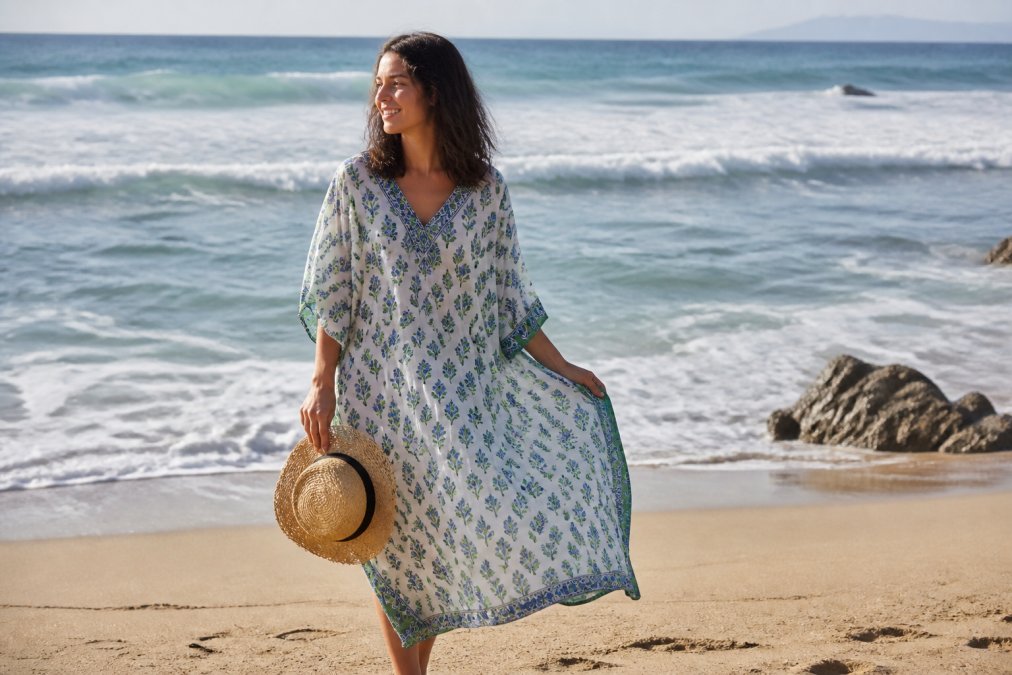
Lotus Temple Collection offers hand block-printed kaftans, resort sundresses, and bohemian tunics made with organic and sustainably sourced materials, often one-of-a-kind. The Organic 100% Cotton Indigo Lotus Flower Anokhi Hand Block Print Kaftan ($185) is the standout, and customer Beth Carter Bell wears the slit-shoulder kaftans "almost every day" in hot Florida weather.
The Mosaic Block Print Navy Kaftan ($145) doubles as cover-up and house dress, the Hand Block Print Sarong ($49.95) wraps as skirt, scarf, or shawl, and the Stretch Pant Cropped Bootcut Legging ($79.98), made with organic cotton in a Fair Trade Certified factory, suits travel and studio wear.
Pros: Artisan craftsmanship, organic and sustainably sourced materials, versatile pieces, fast domestic shipping from Florida.
Cons: One-of-a-kind pieces sell out and aren't restocked; hand-printed items vary in color and print placement.
2. Everlane, Best for Everyday Basics
Everlane built its reputation on transparent pricing and named factories; its organic cotton tees and linen shirts are hot-weather workhorses.
3. Pact, Best Budget-Friendly Option
Pact sells organic cotton dresses, leggings, and tops at accessible prices, with a cotton summer dress typically under $60.
4. Reformation, Best for Dressy Occasions
Reformation's linen sundresses and slip dresses target weddings, dinners, and summer events, and the brand publishes environmental reporting on its materials and factory partners.
5. Patagonia, Best for Outdoor and Travel
Patagonia's recycled-fiber activewear and hemp blends handle hiking, kayaking, and long travel days, and its Worn Wear program takes back used gear for resale or repair.
6. Eileen Fisher, Best for Minimalist Wardrobes
Eileen Fisher's linen and organic cotton separates suit small, high-quality wardrobes, and its Renew program resells gently worn pieces.
7. Kotn, Best for Capsule Wardrobes
Kotn sources Egyptian cotton directly from farmers and funds schools in its growing regions; its tees, dresses, and lightweight pants form a solid capsule base.
How to Build a Sustainable Summer Capsule Wardrobe
A sustainable summer capsule wardrobe is 8-12 versatile, breathable pieces that mix and match across at least 10 outfits: 2 base layers, 2 dresses, 1 kaftan or tunic, 1 sarong or wrap, 2 bottoms, 1 light layer, sandals, and a sun hat. Every piece must pair with at least three others.
Benefits of Organic Cotton Clothing for Hot Weather
Organic cotton clothing keeps you cooler because its natural fibers breathe and wick moisture, where synthetics trap humidity against the skin. Three benefits matter most for summer: breathability, moisture handling, and skin comfort (grown without synthetic pesticides). One caveat: 100% cotton wrinkles.
Ethical Fashion Certifications to Look For
Ethical fashion certifications are third-party verifications that a garment was made under specific labor, environmental, or material standards, because "sustainable" and "organic" are marketing words until an independent body checks them. Certifications worth checking: GOTS, Fair Trade Certified, OEKO-TEX Standard 100, B Corp, and GRS. A brand that publishes certification numbers or factory names is showing its work.
End-of-Life Garment Management
End-of-life garment management is what happens to clothing after you stop wearing it, the stage most sustainable fashion advice ignores. Three options beat the trash bin: repair first (cotton takes repairs well), resell or swap, and recycle or compost. Buying fewer, better pieces is the front end; managing what happens after is the back end.
Size Inclusivity in Sustainable Fashion
Size inclusivity in sustainable fashion remains the industry's weakest link: many artisan and small-batch brands produce limited size runs, shutting out shoppers who want ethical options. The workaround: check measurements, not size labels. A one-size kaftan with a drawstring waist or an elastic-waist dress fits more bodies than numbered sizing, and loose, adjustable cuts are where sustainable fashion gets closest to inclusive.
Summer wardrobes built around breathable natural fabrics, verified labor practices, and versatile cuts do more for your comfort and the planet than any single purchase. Lotus Temple Collection makes that easy with hand block-printed cotton kaftans, sarongs, and boho dresses for tropical vacations, spiritual retreats, and hot-weather days at home, all made with organic and sustainably sourced materials and shipped from Florida. Start with one piece you'll wear forty times, and build from there.
Frequently Asked Questions
What materials are considered most sustainable for summer apparel?
Organic cotton, linen, and recycled polyester are among the most sustainable choices for summer. Organic cotton uses significantly less water than conventional cotton and avoids harmful pesticides. Lightweight cotton voile and hand block-printed fabrics offer breathability while supporting ethical manufacturing. Look for low-impact dyes and deadstock fabric to further reduce environmental footprint.
How do I identify truly sustainable fashion brands?
Check for third-party certifications like Fair Trade Certified, GOTS (Global Organic Textile Standard), and B Corp. Look for supply chain transparency on the brand's website, including where materials are sourced and how garments are made. Brands that publish fair wage policies and use organic or recycled materials demonstrate real commitment beyond marketing claims.
How does organic cotton impact the sustainability of summer fashion?
Organic cotton reduces water consumption by up to 91% compared to conventional cotton and eliminates toxic pesticides. For summer clothing, organic cotton provides breathability and comfort in humidity. It also supports regenerative agriculture and fair wage practices. Choosing organic cotton pieces extends garment longevity, reducing textile waste and your overall environmental footprint.
Are artisan-crafted clothes better for the environment?
Artisan-crafted clothing often uses traditional techniques like hand block printing, which require less energy than industrial manufacturing. These pieces are typically made in small batches, reducing overproduction and textile waste. Handmade garments also tend to be more durable, supporting conscious consumerism and circular economy principles. Look for brands that prioritize slow fashion and ethical labor practices.